The Spatial Analysis Lab at NIMBioS

The Spatial Analysis Lab (SAL) at NIMBioS offers state-of-the-art spatial analysis capabilities to researchers investigating biological, geographic, and socio-economic processes. SAL enables cross-disciplinary research for those in academia, government and industry who are engaged in biogeographical modeling, spatial statistics, data acquisition and mapping.

Student Training

The lab also trains students in spatial data collection and analysis, supports the work of researchers at NIMBioS, and hosts tutorials and workshops offered through NIMBioS, including online courses.

Biology at SAL

A unique component of SAL is a sub-concentration on spatial analysis in biology. Biology at SAL, or BaSAL, supports research activities that collect and synthesize large-scale spatial data to understand biological and socio-economic processes, especially in the areas of biodiversity, disease ecology, and human-environment interface.

Recharge Center

A recharge center at the University of Tennessee, Knoxville, SAL was developed in collaboration with UT's College of Arts & Sciences, and the Departments of Ecology & Evolutionary Biology and Geography.
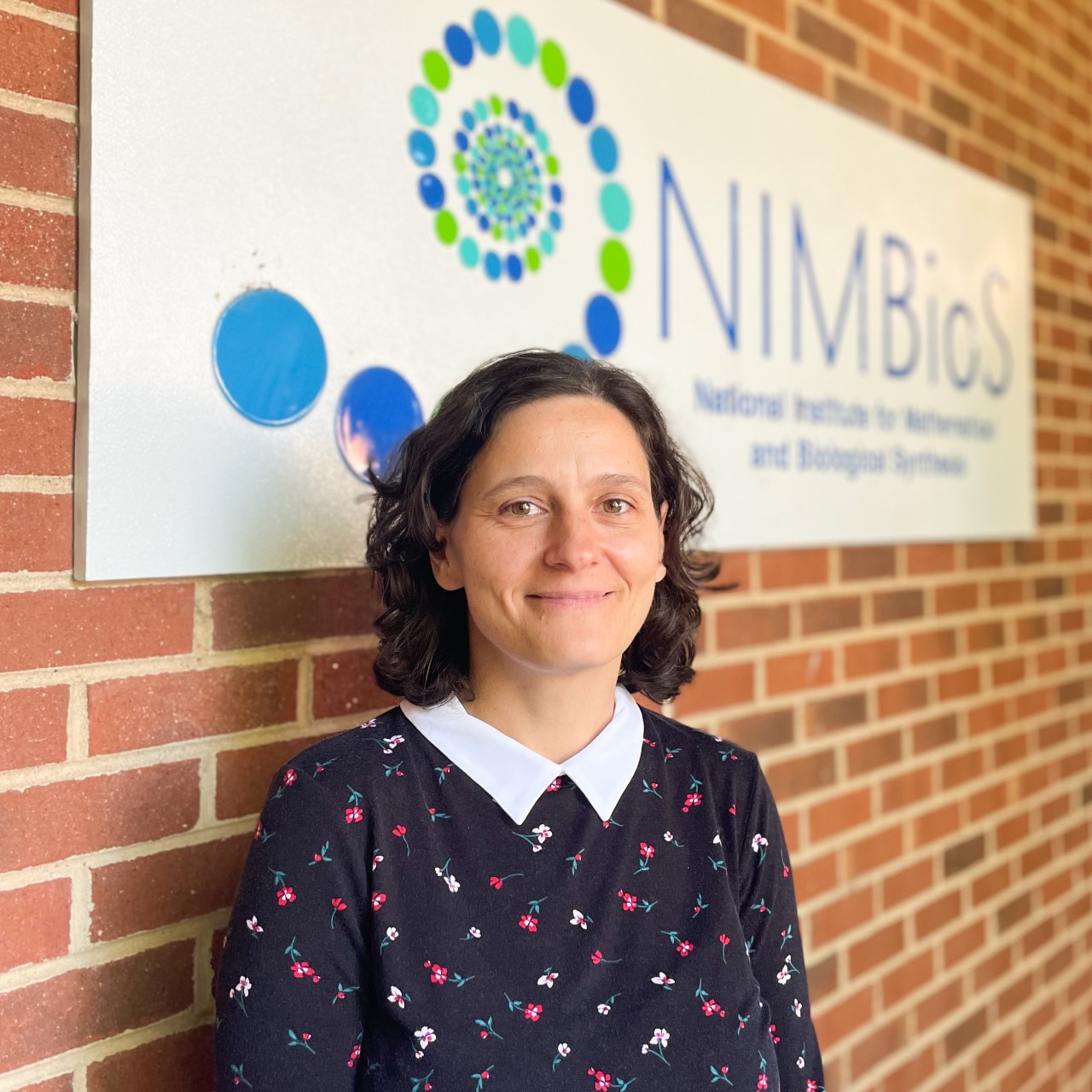
Dr. Mona Papes, Director
mpapes@utk.edu
Ecology & Evolutionary Biology, University of Tennessee

Do you want to work with the Spatial Analysis Laboratory?

Are you interested in enhancing your current project, strengthening and expanding the scope and impact of a grant or proposal, or developing a workshop that combines your research with NIMBioS and SAL? Please reach out to us!

Services and Rates

Please see our Services page for current rates.

Mission

Our mission is to foster the growth of transdisciplinary approaches within mathematics and biology

Contact

contact@nimbios.org

1122 Volunteer Blvd, Claxton 114
University of Tennessee
Knoxville, TN 37996-3410

Brian O'Meara, Interim Director

NIMBioS

From 2008 until early 2021, NIMBioS was supported by the National Science Foundation through NSF Award #DBI-1300426, with additional support from the University of Tennessee, Knoxville.  Any options, findings, and conclusions or recommendations expressed in this material are those of the author(s) and do not necessarily reflect the views of the National Science Foundation.
Stay updated on all things NIMBioS